01
Urban Infrastructure & Housing
Industrial-scale integrated townships addressing India's 80–100 million unit housing shortage with master-planned smart cities.
Loading the vision
An Integrated Urban Infrastructure, Technology and Community Operating Company.
The Future of Urban Living: Privately Operated, Tech-Integrated Eco-Friendly Cities
Changing the Way the World Lives. Royal Indian Raj Corporate Group is focused on the planning, development, and long-term operation of a Chain of future-ready Eco Smart Cities and professionally planned integrated townships/villages on a Build-Own-Operate (BOO) model. Our vision is to integrate real estate, infrastructure, sustainability, and digital innovation into connected communities designed for long-term resilience and quality of life.
Beginning in India with its looming 100M housing shortage by 2032, going to 220 M by 2050, our objective is to develop a scalable platform that can be adapted to urban development opportunities globally.
Royal Indian Raj is building the future of Indian urbanisation — not just real estate, but an operating system for cities.
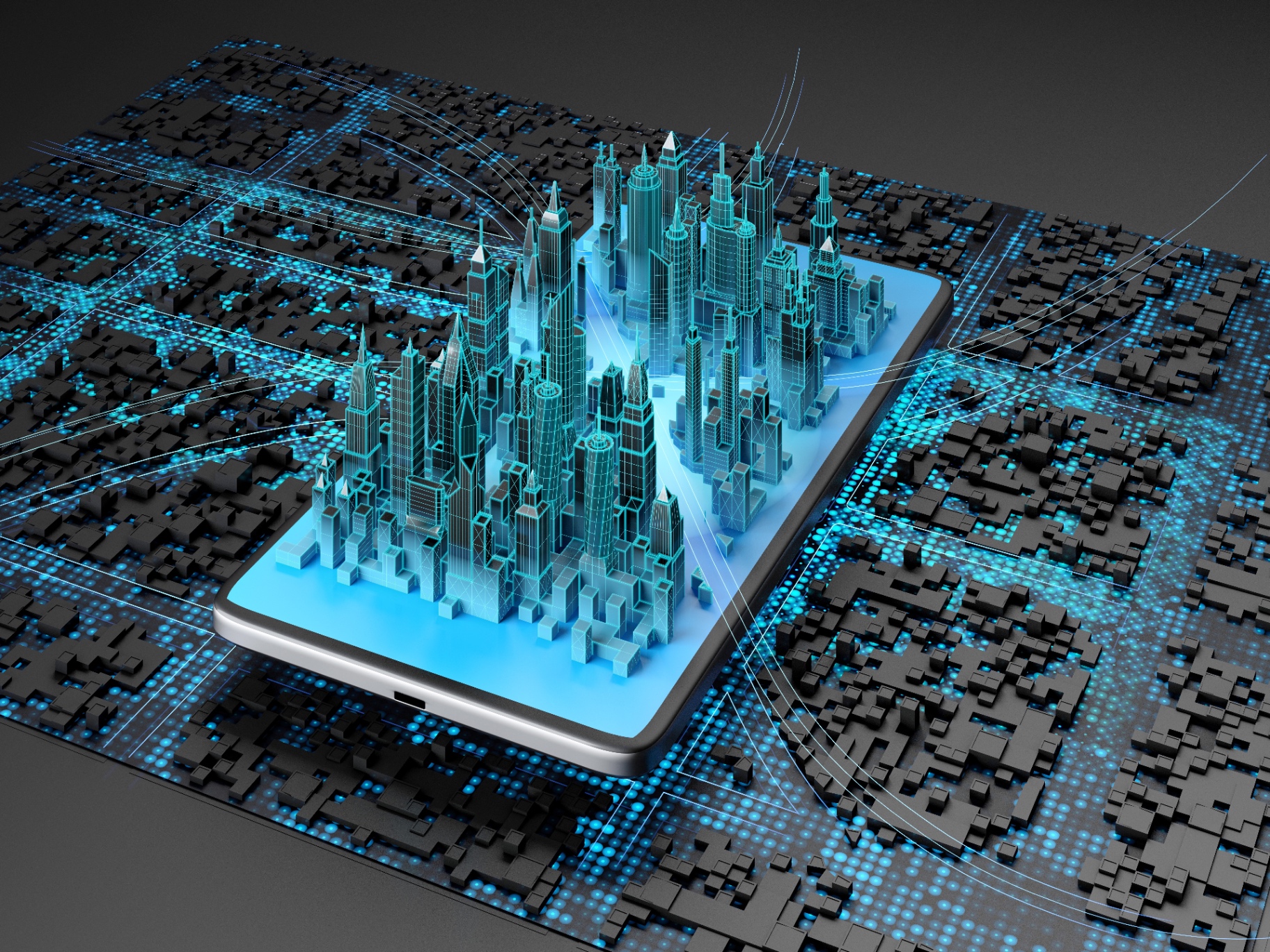
We aspire to help shape the future of urban living through thoughtfully planned communities that combine next-generation infrastructure, technology, sustainability, and long-term operational excellence.
"Royal Indian Raj International Corporation has been named the number one leading FDI real estate developer in India."
ASSOCHAM is the Associated Chambers of Commerce and Industry of India, one of the country's leading trade advocacy bodies representing Indian industry. Visit source
RIRIC's objective is to be a leading force in building the New India — taking a principal role in the country's growth as it becomes increasingly competitive, dynamic, and open to global capital and technology.
Our focus is on Eco-Smart Integrated Townships, theme-based townships, developments linked to economic activity, and on self-sustaining Smart mini townships/cities and over 100 smart products and services across multiple domains. Our market is India's 8 Tier-1 & 97 Tier-2 cities.
India is the awakening giant — the second-largest nation in Asia, the fourth-largest economy in the world, and home to the planet's fastest-growing middle class. The 1991 liberalisation removed the barriers to trade and foreign investment; what remains is an extraordinary opportunity to build the physical and digital infrastructure of an emerging superpower.
India's current population in 2026 is 1.47 billion. Holding the title of the world's most populous nation, accounting for roughly one-sixth of humanity. India's urban population will reach 575 million by 2030 and nearly 1 billion by 2050. By 2050, it is estimated that over 50% of Indians will reside in urban areas compared to around 35% today. The capital required to facilitate this growth is approximately $4.5T — a once-in-a-century structural deployment.
Source: UN Population Prospects 2024
Source: NAREDCO/KPMG
Source: World Bank
RIRIC partners with global leaders across ten priority infrastructure sectors accorded high-priority status by the Government of India, applying proven international corporate models to the nascent opportunities of the newly opened Indian marketplace.
Industrial-scale integrated townships addressing India's 80–100 million unit housing shortage with master-planned smart cities.
Hot-in-place asphalt recycling and modern road construction in alliance with Martec Recycling Corporation — timely, cost-effective, environmentally supportive.
National high-speed broadband, wireless-ISP and digital dispatch networks bringing millions of Indians online with 21st-century connectivity.
Integrated B2B / ASP interface, distance education and software applications targeted at India's 350 million-strong middle class.
DTH satellite broadcasting, VSAT applications, major TV production and the WonderWorks India theme-park program.
An estimated $4 billion deal with Choice Hotels for 15,000 budget hotel rooms across India, and an exclusive electronic lottery (Lotto India) for an $8B annual market.
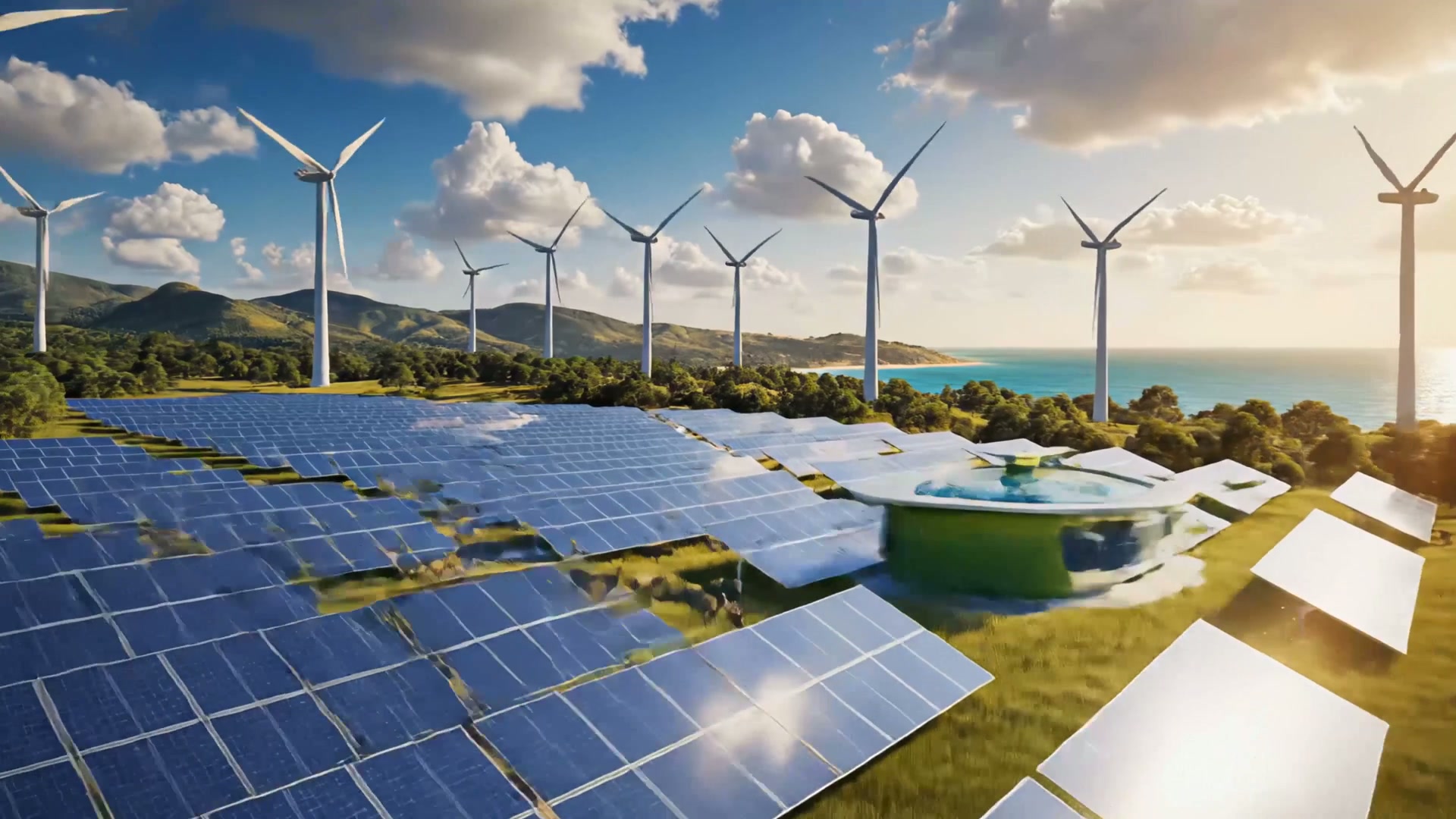
Solar, wind and clean-power generation projects that meet the rising energy demands of India's cities and industrial corridors while lowering carbon intensity.
Modern water treatment, sewage recycling and solid-waste systems that turn environmental challenges into sustainable civic infrastructure.
Hospitals, clinics and telemedicine networks that expand access to quality care across tier-2 and tier-3 cities alongside flagship medical tourism hubs.
Multi-modal transport hubs, inland waterways, cargo terminals and airport-adjacent development that accelerate the movement of goods and people across India.
Develop, own, operate and monetize future-ready green cities across a diversified base of long-term, inflation-linked revenue streams — reinvesting cash flow to scale the platform and deliver value to investors, citizens and the planet.
Private entity develops smart green urban infrastructure, utilities and digital platforms with sustainability at the core.
Long-term ownership and efficient operation of city assets and services through technology and data intelligence.
Multiple diversified revenue streams from assets, services and long-term partnerships.
Cash flows reinvested to enhance the city, expand its footprint and drive continuous innovation.
Long-term returns for investors alongside a materially higher quality of life for citizens.
McKinsey Global Institute's urban-opportunity forecast for India — the scale of growth, investment and workforce expansion that cities will absorb by 2030.
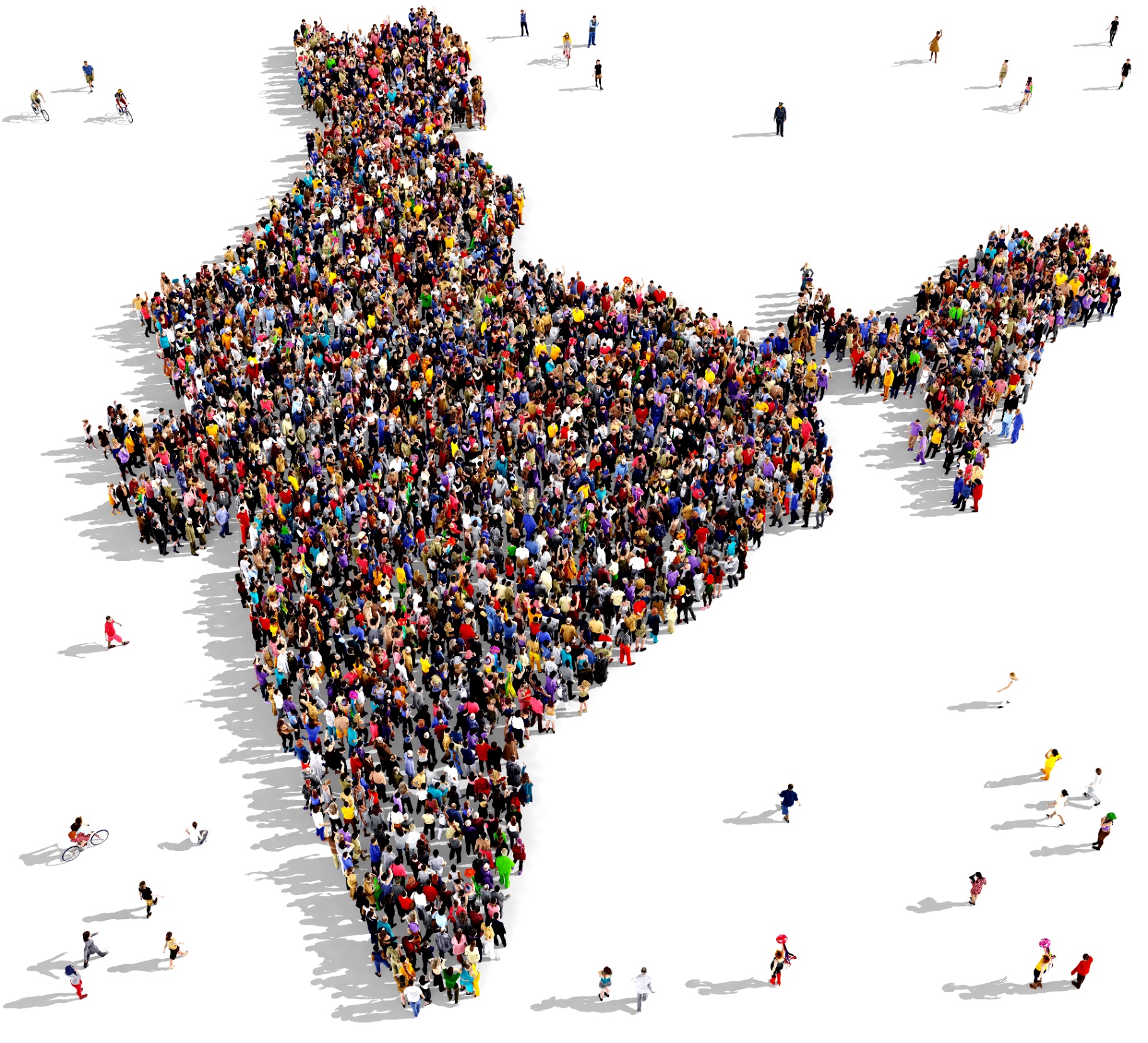
Source: McKinsey Global Institute, "India's Urban Opportunity 2010–2030"
Connected. Sustainable. Prosperous. Future ready. A nationwide vision of integrated Eco Smart Cities powering the next India.
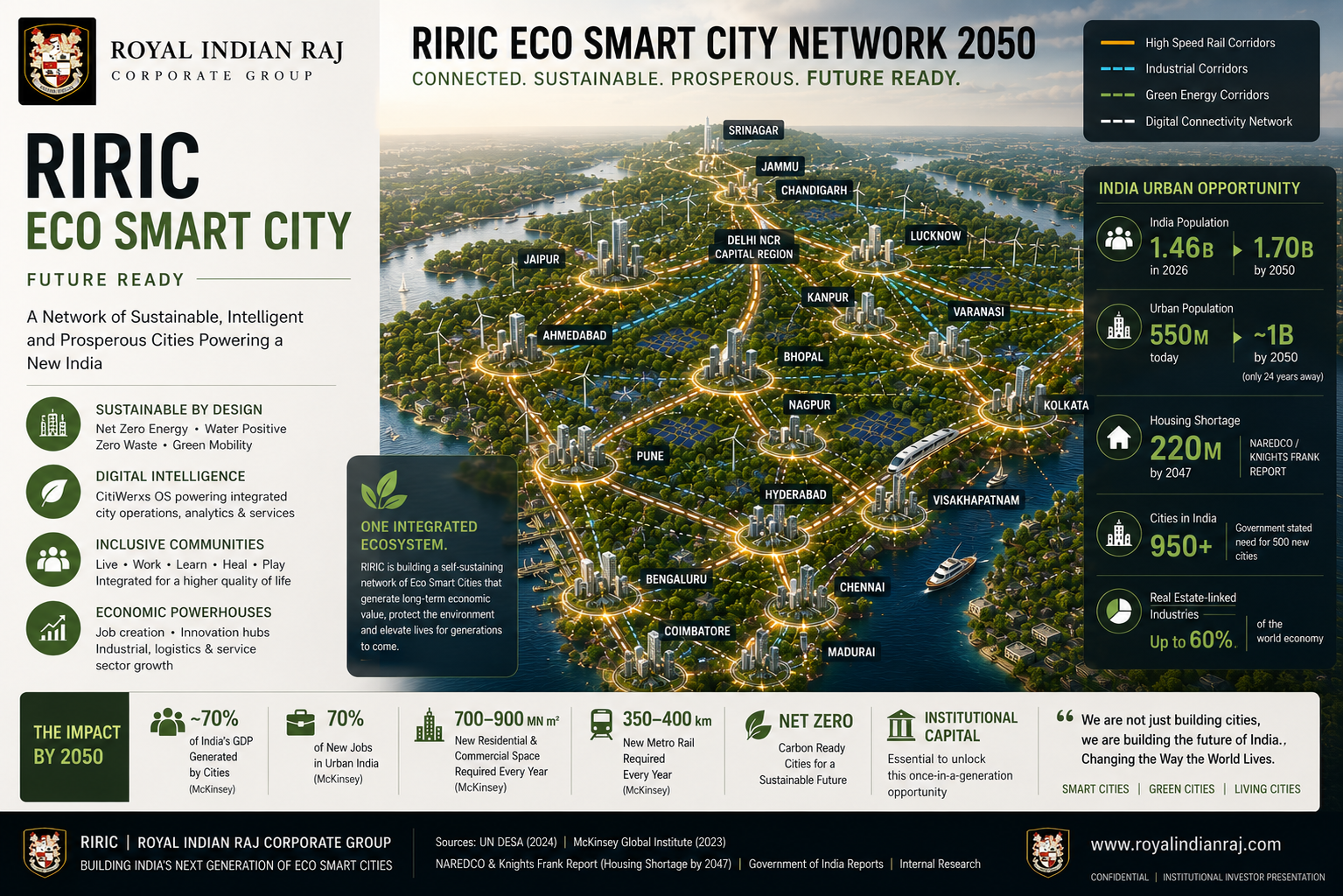
This roadmap envisions a nationwide network of self-sustaining Eco Smart Cities — integrating clean energy, digital infrastructure, high-speed mobility and mixed-use development to unlock long-term economic value, environmental resilience and a higher quality of life for millions of Indians.